Gildan 18500 Sand Mockup: A Designer's Review
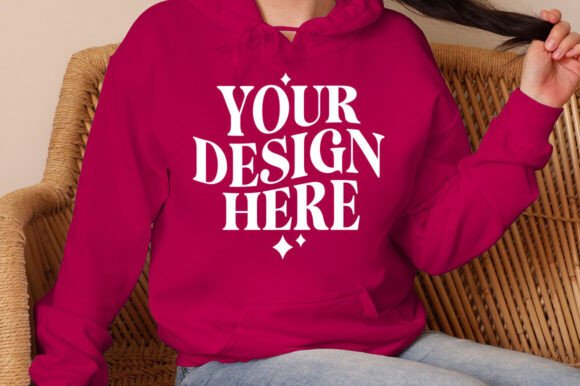
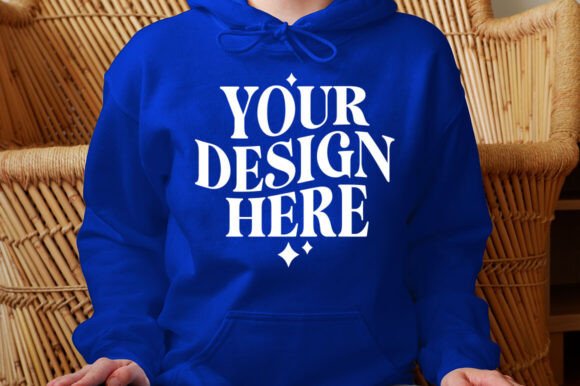
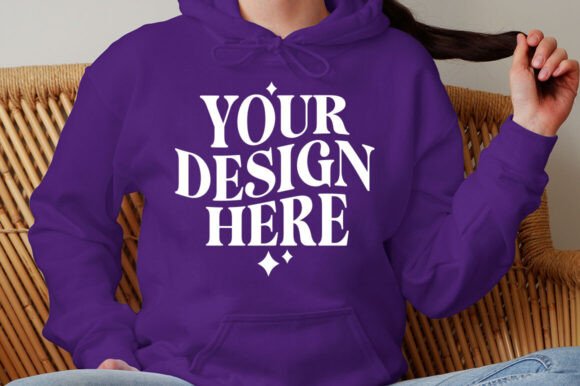
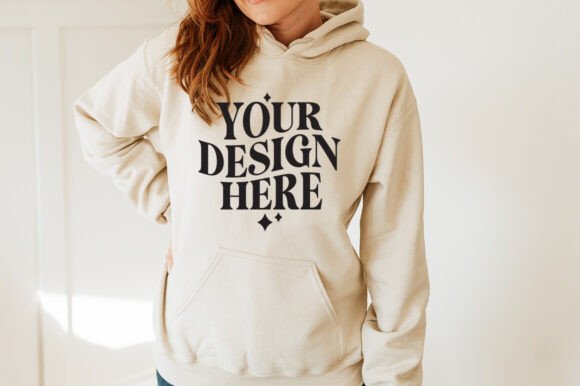
When I first pulled up the Gildan 18500 Sand Mockup on my screen, I wasn't looking at it as a final product, but as a canvas. As someone who spends hours digitizing machine embroidery designs and prepping files for clients, I know that the presentation is just as critical as the stitching itself. This specific asset falls under the category of Product Mockups and Graphics, designed specifically for print-on-demand businesses and sellers who need to visualize their work before a single needle hits the fabric. My initial impression was one of understated professionalism. The "Sand" colorway offers a neutral, earthy tone that doesn't fight for attention, allowing the embroidery project to take center stage.
Visual Personality and First Impressions
The mood created by this mockup is warm and inviting, perfect for brands that lean into organic, handmade, or boutique aesthetics. Unlike stark white backgrounds that can feel clinical, the sand hue suggests comfort and durability. For an Etsy seller or a craft business owner, this visual personality is invaluable. It immediately signals to the customer that the finished product will be high-quality and thoughtful. The layout of the image is clean, providing ample negative space where a logo, monogram, or intricate applique design could sit comfortably without feeling cramped. When evaluating a digital embroidery file for commercial use, I always ask: "Does this look good on a shelf?" The Gildan 18500 Sand Mockup answers that with a resounding yes, offering a realistic texture that mimics the softness of cotton blends often used in custom apparel.
Real-World Application: The Boutique Tote Scenario
To truly test the viability of this graphic, I imagined a real-life scenario: preparing a custom order for a local botanical shop needing branded tote bag designs. They wanted a rustic feel, something that would appeal to shoppers buying fresh flowers and artisanal goods. Using the Gildan 18500 Sand Mockup to preview the design changed the entire trajectory of the project. I could visualize how a sage green satin stitch border paired with a brown fill stitch logo would pop against the sand background.
In this context, the mockup acts as a crucial decision-making tool. It helps determine if the thread colors have enough contrast. If I were to place a light beige design on this sand background, the lack of definition would be obvious immediately, saving me from a costly mistake in production. For small shop products, this level of foresight builds customer trust. When a client sees a realistic preview that matches the final handmade product, their confidence in the brand skyrockets. This is particularly true for personalized gifts like baby items or wedding favors, where the emotional connection to the visual presentation is strong.
Performance Across Different Embroidery Projects
Versatility is key when selecting assets for a diverse portfolio. The Gildan 18500 Sand Mockup performs exceptionally well across various categories. For sweatshirt embroidery, the texture implies warmth, making it an ideal backdrop for winter holiday collections. If you are creating holiday embroidery patterns, such as snowflakes or festive script, this background grounds the design, preventing it from looking too flashy. Similarly, for baby embroidery, the soft tone is gentle on the eyes, suggesting safety and comfort which parents prioritize.
However, one must be mindful of where this specific aesthetic fits best. While excellent for custom apparel and home goods like pillow covers or tea towels, it might not be the first choice for high-contrast sports gear or neon-themed embroidered patches. The strength of this mockup lies in its ability to enhance brand consistency. If your shop specializes in earth tones, neutrals, and natural fibers, this graphic becomes a cornerstone of your marketing materials. It elevates the perceived value of the item, turning a simple digital product preview into a compelling sales pitch.
Navigating Fabric Textures and Stitch Density
While the mockup is a powerful visualization tool, it also highlights potential pitfalls in the actual stitching process. When reviewing the image, I considered how different fabric textures would interact with various stitch types. On a sand-colored garment, a dense fill stitch area might create a slight depression or shine that differs from the surrounding material. This is a crucial detail for commercial embroidery projects where uniformity is expected.
Designers should exercise caution when adapting designs for this specific look. Small hoop sizes can limit the scale of intricate details, and on a textured fabric simulation, tiny lettering might get lost. If you are planning a design with fine running stitch details, ensure the thread weight is appropriate; otherwise, the design may appear muddy against the sand backdrop. Furthermore, curved surfaces like caps require careful digitizing to prevent puckering, a flaw that a high-resolution mockup might subtly hint at through shadow and light interaction.
Practical Notes for the Professional Designer
Before committing to a full production run based on this visual, there are several practical steps every embroidery designer should take. First, always test the design on scrap fabric that closely matches the color and weight of the mockup. Digital representations, no matter how high-quality, cannot perfectly replicate the way thread sinks into cotton or polyester blends.
- Check Thread Color Contrast: Ensure your palette stands out against the sand tone without clashing.
- Review Stitch Density: High density can cause stiffness; verify that the drape of the garment remains natural.
- Confirm Hoop Size: Make sure your physical equipment can handle the dimensions shown in the graphic.
- Inspect Small Details: Zoom in on corners and curves to ensure clarity.
- Test in Black and White: This helps verify that the design relies on shape and texture, not just color, for impact.
- Use Proper Stabilizer: The right backing is essential to maintain the crisp look seen in the mockup.
It is also vital to confirm licensing before selling finished items or digital products derived from these assets. The product description notes that you receive a high-resolution JPEG, which is excellent for printable mockups and online listings, but it does not imply ownership of the underlying garment design for manufacturing purposes. Always clarify if the license covers commercial embroidery usage or if it is strictly for marketing visuals.
Final Thoughts on Value and Engagement
In the competitive world of online crafting and digital product sellers, the difference between a scroll-past and a click-through often comes down to presentation. The Gildan 18500 Sand Mockup offers a sophisticated, realistic platform to showcase your creativity. It bridges the gap between the digital embroidery file and the tangible finished product, allowing buyers to envision the item in their own lives. Whether you are launching a new line of aprons, creating nursery decor, or updating your portfolio, this tool provides the professional polish needed to succeed. By combining this high-quality graphic with sound stitching practices and thoughtful design choices, you can significantly boost buyer engagement and establish a reputation for excellence in the handmade community.